
Construction
Selective Demolition in Indiana
Plan, coordinate and, where within the approved scope and team capabilities, perform controlled interior removal as part of renovation and environmental work.

Selective Demolition Project Scope
Selective demolition focuses on designated interior materials or assemblies while considering adjacent spaces and the remaining building elements. It is targeted removal for renovation and environmental work, not full structural demolition.
Safety and Environmental Site Considerations
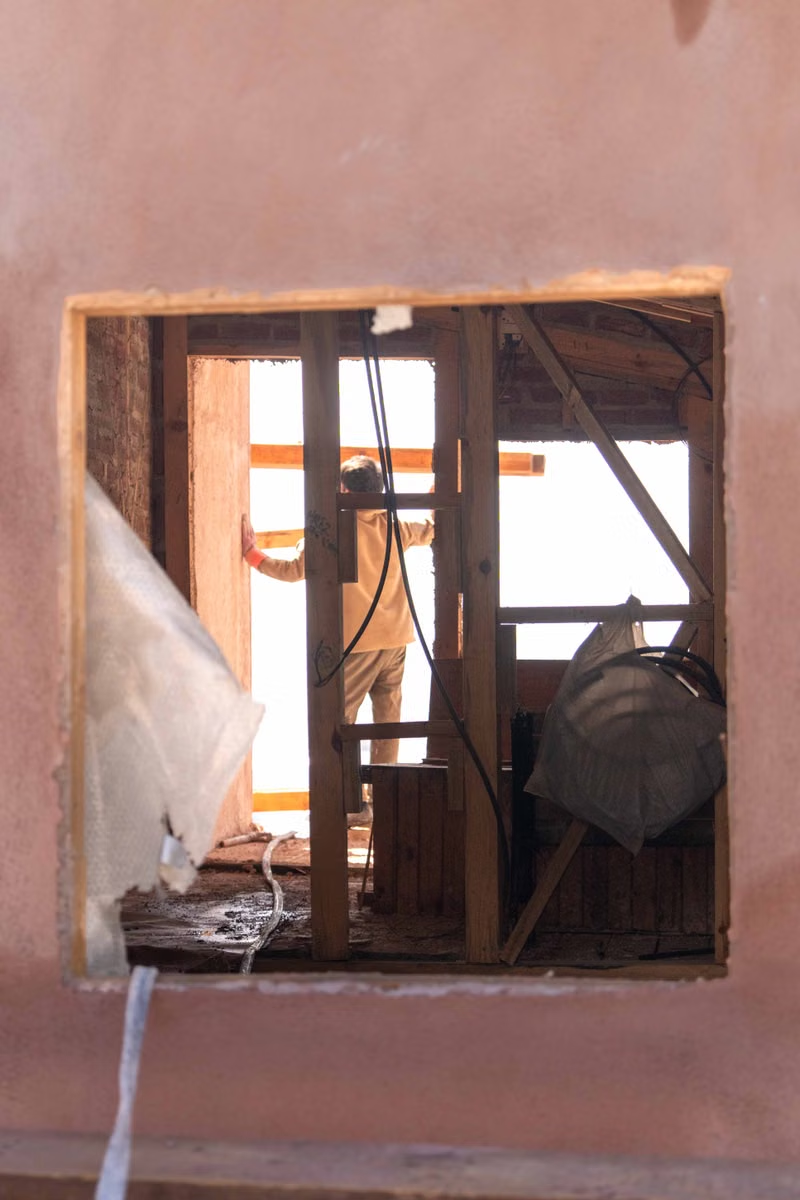
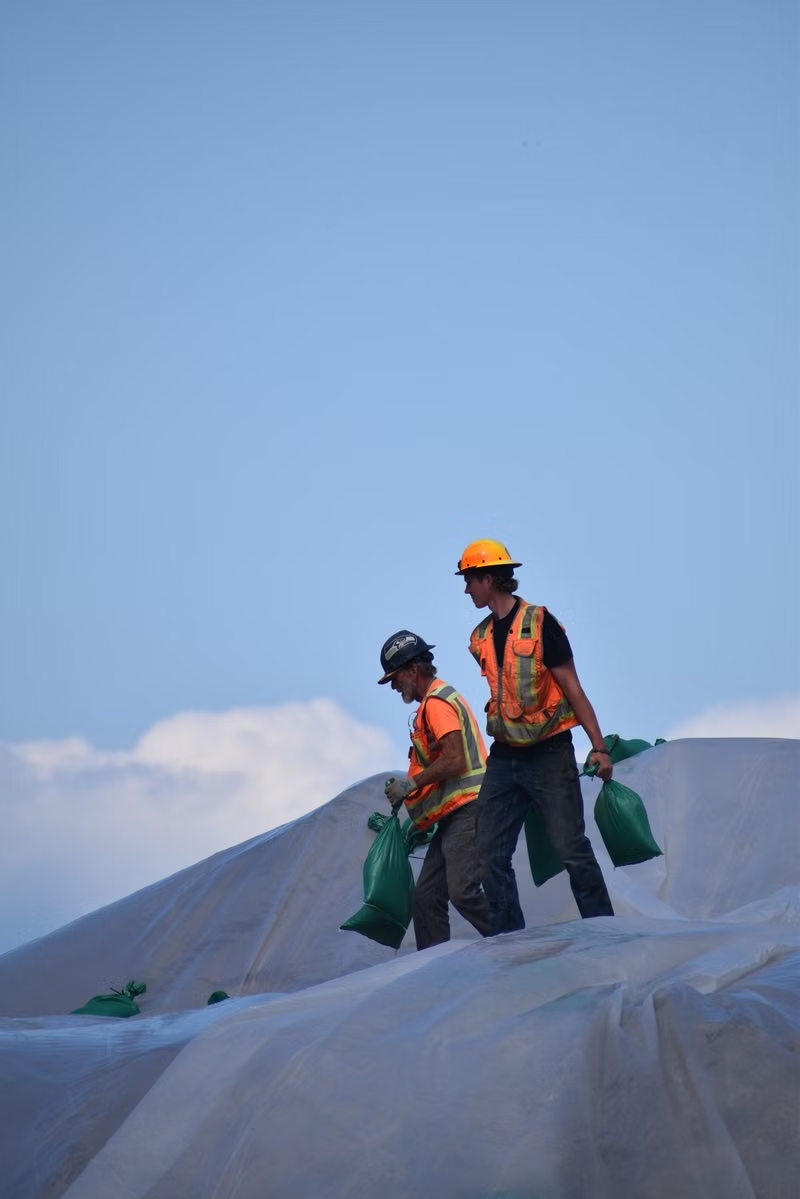
We account for jobsite hazards, existing building conditions and potential lead or asbestos concerns before and during demolition. Suspect materials are handled as environmental consulting concerns first.
- Step 1: Review Conditions
- Step 2: Establish Controls
- Step 3: Coordinate Work



Planning and Project Coordination
We work with the owner, contractors and qualified trades to sequence removal, site access, debris handling and communication. Whether work is performed directly or through qualified subcontractors depends on the verified project scope.

Relevant training & resources
Safety & Environmental Resources
-
 OSHA Outreach Training
-
 Environmental training reference
-
 Inspection association reference
-
 Indiana regulatory resource — not an affiliation
These marks identify training topics, professional organizations or regulatory reference resources. They do not indicate government endorsement, company-wide certification, or authorization to perform regulated work. Specific qualifications are confirmed for each project.
Frequently Asked Questions
What is selective demolition compared with full demolition?
Selective demolition removes designated interior materials or assemblies while protecting portions of the building that will remain. The scope may include partitions, ceilings or finishes; it is not an assumption that structural removal is included.
What should be checked before interior demolition begins?
Confirm the removal scope, building conditions, utility isolation, access, debris routes and potential hazardous materials. OSHA demolition rules include a pre-demolition engineering survey where those rules apply; qualified personnel must address required evaluations.
Can selective demolition be done in an occupied building?
Sometimes, with carefully scheduled work and appropriate separation from occupants. Dust, noise, access routes, utility disruptions and emergency egress must be assessed for the specific building before work begins.
What if the demolition team discovers suspect asbestos or lead?
Stop disturbing the suspect area and arrange a suitable assessment by qualified professionals. The work plan may need to change for sampling, containment, specialized removal or required disposal before ordinary demolition resumes.
How are dust and debris controlled during selective demolition?
Controls depend on the materials and site. They may include work-zone barriers, dust capture or ventilation, protected travel paths, regulated waste handling where relevant, and planned debris removal. The actual controls are set for the job.
Does Watchtower perform demolition with its own crew or subcontract it?
Direct work or coordination with qualified subcontractors depends on the approved scope and available team capabilities. The proposal should identify who performs the work, which trades are involved, and any regulated work handled by specialists.
Related services


Request Consultation
Plan Your Selective Demolition Project
Tell us what needs to be removed and where the work will take place.