
Safety
Safety Training & Compliance Management in Indiana
Practical instruction and ongoing field support to help crews understand hazards, follow procedures and manage safety documentation.
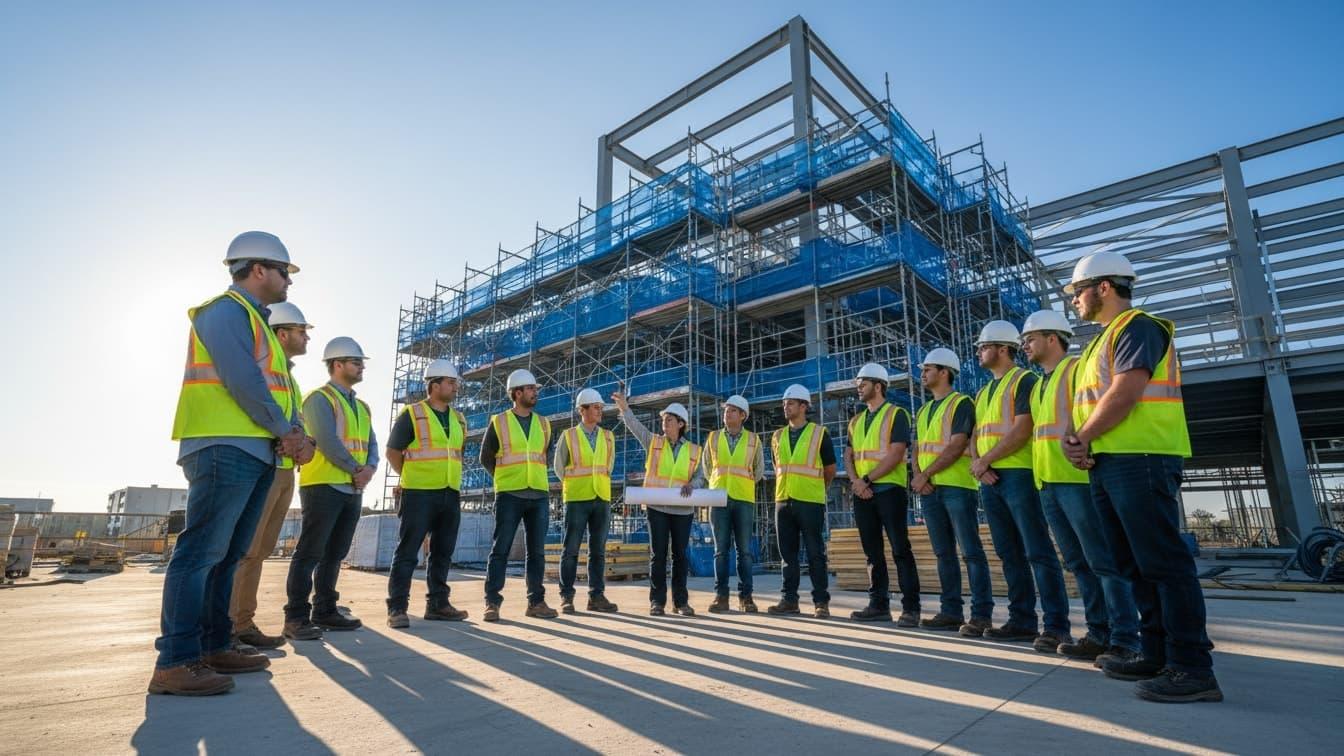
Site Safety Orientations and Toolbox Talks
Site orientations, toolbox talks, hazard recognition and PPE awareness, tailored to the actual work on your project rather than generic lecture material.
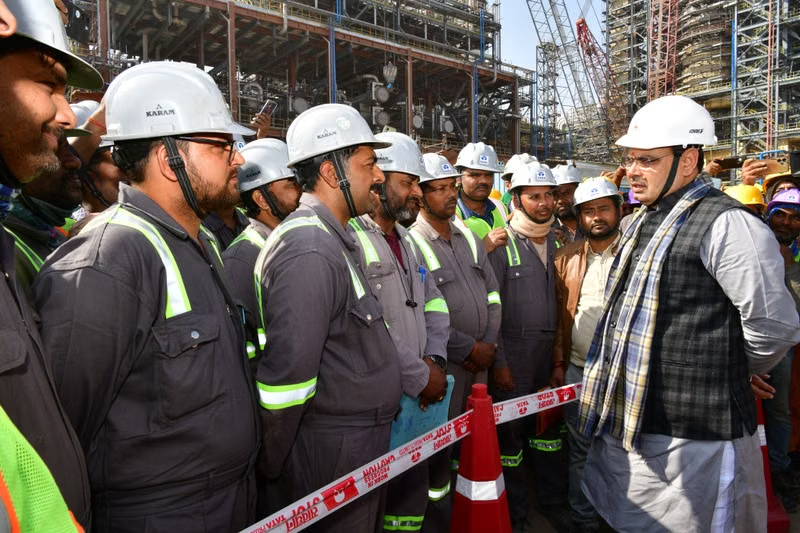
Orientation
Onboarding workers to the site, its hazards and expectations.
Toolbox Talks
Short, task-focused safety sessions delivered in the field.
PPE & Hazard Awareness
Practical awareness of protective equipment and site hazards.
JSA, PPE and Hazard Awareness
We support job safety analysis, PPE decisions and hazard recognition for the specific tasks on your project, and tie that work to the documentation your team keeps.

Training Delivery and Documentation
We help maintain safety procedures, JSA/JHA documentation, records, routine communication and project-specific compliance coordination. This is continuing operational support, not certification or regulatory enforcement.

Consulting assesses hazards and recommends a plan.
Training teaches the workforce.
Compliance management maintains practices and records over time.
Relevant training & resources
Safety Training & Professional Resources
-
 OSHA Outreach Training
These marks identify training topics, professional organizations or regulatory reference resources. They do not indicate government endorsement, company-wide certification, or authorization to perform regulated work. Specific qualifications are confirmed for each project.
Frequently Asked Questions
Do OSHA 10-hour and 30-hour courses count as OSHA certifications?
No. OSHA says Outreach courses result in course-completion cards, not certifications or licenses. The 10-hour course focuses on basic hazard awareness; the 30-hour course covers a broader range of topics for people with some safety responsibility.
Does OSHA 10 or OSHA 30 replace task-specific training?
No. Outreach instruction does not replace training that an employer must provide for particular hazards, equipment or standards. Site orientations and toolbox talks also need to reflect the actual work being performed.
What is usually covered in a construction site orientation?
A useful orientation covers access rules, emergency contacts and procedures, major site hazards, reporting expectations, required PPE, restricted areas and how work is coordinated with other trades. Content should be tailored to the site.
How often should we hold toolbox talks?
There is no single timetable that fits every task. Short briefings are especially useful before higher-risk activities, after changes in conditions or procedures, and when crews need a reminder about a specific exposure. Project and regulatory requirements still apply.
What training and safety records should a contractor retain?
Depending on the work, records may include attendance, session topics, task-specific instruction, JHAs/JSAs, inspections, corrective actions and required certifications. The applicable standards and contract determine which records are mandatory.
Can Watchtower support safety documentation throughout a project?
Watchtower can help organize orientations, JHAs/JSAs, communications, review schedules and records as part of an agreed scope. This supports the contractor's own compliance process; it is not regulatory enforcement or a guarantee of compliance.
Related services


Request Consultation
Build a Safer Work Routine
Tell us your workforce size, work type and training or support needs.